How I Turned My Home Into a Stress-Busting Sanctuary
Stress sneaks in through cluttered rooms, harsh lighting, and noisy spaces—things we often ignore. I realized my environment was making me anxious, not calm. After reshaping my living space with simple, intentional changes, I felt noticeably more relaxed and focused. This isn’t about a full home makeover—it’s about smart, effective tweaks that actually work. Let me walk you through how improving your surroundings can become your most natural stress-release tool.
The Hidden Link Between Your Space and Your Stress
Everyday environments shape how we feel, often without us realizing it. The condition of your home—its cleanliness, noise levels, and organization—plays a powerful role in your mental well-being. Research in environmental psychology confirms that disordered spaces increase stress hormones like cortisol, while calm, orderly environments help lower them. When visual stimuli are chaotic, the brain works harder to process information, leading to mental fatigue and irritability. This is why walking into a messy kitchen or a crowded living room can instantly make you feel overwhelmed, even if you weren’t stressed moments before.
The connection between space and mood isn’t just psychological; it’s physiological. A study published in the journal Personality and Social Psychology Bulletin found that women who described their homes as cluttered had higher levels of cortisol, particularly in the afternoon and evening. These same individuals reported feeling more depressed and fatigued than those who viewed their homes as restful and organized. The presence of clutter signals to the brain that tasks are incomplete, triggering a low-level but persistent state of alertness. Over time, this chronic background stress can wear down emotional resilience and impair concentration.
Consider a typical scenario: after a long day, you return home to find laundry on the couch, dishes in the sink, and mail piled on the table. Even if you don’t consciously focus on these details, your brain registers the disorder. This constant visual noise competes for attention, reducing your ability to relax. On the other hand, walking into a tidy, serene space sends a message of safety and completion. It allows the nervous system to shift from a state of stress to one of restoration. The good news is that you don’t need to live in a minimalist home to benefit. Small, intentional changes can significantly reduce the mental load your environment imposes.
Decluttering: Less Stuff, Less Stress
Clutter isn’t just a cleaning issue—it’s a cognitive burden. Every object in your field of vision demands a tiny bit of brainpower to process. When too many items compete for attention, mental clarity suffers. Psychologists refer to this as “cognitive overload,” a condition that contributes to anxiety, decision fatigue, and reduced productivity. The more stuff you have, the more your brain has to work just to function normally. This is especially true in spaces meant for rest or focus, such as bedrooms and home offices. Reducing visual distractions allows the mind to breathe and reset.
Decluttering doesn’t have to mean throwing everything away or spending days organizing. A practical and sustainable method is the 9-box approach. Label nine boxes or bins with categories: Keep, Donate, Trash, Relocate (items that belong in another room), Archive, Repair, Maybe, Sentimental, and Sell. Start with one small area—a drawer, a shelf, or a corner. As you sort through items, ask yourself: Do I use this regularly? Does it bring me joy or serve a purpose? If not, it likely belongs in one of the other boxes. The “Maybe” box is useful for items you’re unsure about; store it out of sight and revisit it in 30 days. If you haven’t missed anything, donate or discard the contents.
The emotional benefits of decluttering go beyond a tidy space. Many people report feeling lighter, more in control, and even more hopeful after clearing physical clutter. There’s a psychological link between external order and internal calm. Completing the task of decluttering also provides a sense of accomplishment, which boosts self-esteem and motivation. For busy women managing households, this small win can ripple into other areas of life. The act of choosing what to keep and what to let go of reinforces personal agency. Over time, maintaining a clutter-free space becomes easier, and the mental space it creates becomes just as valuable as the physical one.
Lighting Matters More Than You Think
Lighting is one of the most underestimated tools for emotional regulation. Harsh overhead lighting, especially from cool-toned LEDs or fluorescents, can create a sterile, clinical atmosphere that heightens alertness when relaxation is needed. In contrast, warm, layered lighting fosters comfort and calm. The color temperature of light—measured in Kelvin—plays a crucial role. Lights below 3000K emit a soft, warm glow similar to candlelight or sunset, which the body associates with winding down. Higher Kelvin levels, above 4000K, mimic daylight and are better suited for task-oriented spaces like kitchens or home offices.
Our bodies are wired to respond to light through the circadian rhythm, the internal clock that regulates sleep, hormone release, and mood. Exposure to bright, natural light during the day helps maintain this rhythm, improving alertness and sleep quality at night. Positioning your desk near a window, opening curtains in the morning, and spending time outdoors during daylight hours all support healthy circadian function. In the evening, dimming the lights signals to your brain that it’s time to relax. Using dimmable lamps, salt lamps, or smart bulbs that adjust color temperature can make this transition seamless.
To optimize your home’s lighting, avoid relying solely on ceiling fixtures. Instead, build layers: ambient (general room lighting), task (focused light for reading or cooking), and accent (decorative or mood lighting). Use floor lamps, table lamps, and string lights to create cozy pockets of warmth. In bedrooms, opt for bedside lamps rather than overhead lights for nighttime use. Additionally, minimize exposure to blue light from screens after sunset by using night mode settings or wearing blue-light-blocking glasses. These small adjustments support melatonin production, the hormone responsible for sleep, and help reduce evening anxiety. Over time, a well-lit home becomes a sanctuary that aligns with your body’s natural rhythms.
Bringing Nature Indoors for Instant Calm
Nature has a profound ability to restore mental balance, even in small doses. The concept of biophilic design—incorporating natural elements into built environments—is grounded in science. Studies show that exposure to plants, natural materials, and outdoor views can lower blood pressure, reduce anxiety, and improve concentration. This is because humans have evolved to respond positively to natural settings, where threats are minimal and resources are abundant. Even symbolic connections to nature, such as wooden furniture or nature sounds, can trigger these calming responses.
One of the easiest ways to bring nature indoors is through houseplants. Low-maintenance options like the snake plant, pothos, and peace lily thrive in various light conditions and require minimal care. Beyond their aesthetic appeal, plants improve indoor air quality by filtering toxins and increasing humidity. The presence of greenery also has a psychological effect: it signals safety and growth, which can elevate mood and reduce feelings of isolation. Caring for a plant, even a simple watering routine, provides a sense of purpose and connection.
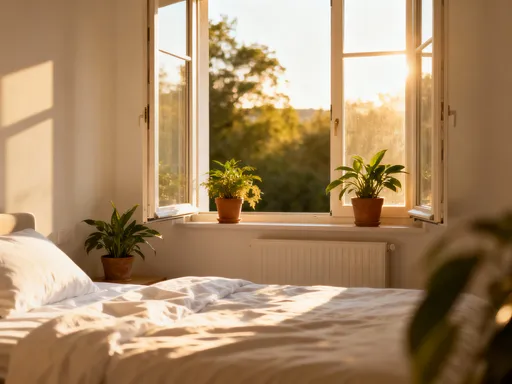
If gardening isn’t your strength, there are other nature-inspired touches that require little effort. Choose furniture made from natural materials like wood, bamboo, or stone. Add decor such as a small indoor fountain, which provides the soothing sound of running water, or display seashells, driftwood, or crystals. Open windows when possible to let in fresh air and natural sounds like birdsong or rustling leaves. Playing nature soundtracks quietly in the background can also help, especially in urban homes with limited outdoor access. These elements create a subtle but powerful shift in atmosphere, making your home feel more grounded and peaceful. The goal isn’t to turn your living room into a jungle, but to weave in enough natural cues to remind your body that it’s in a safe, nurturing space.
Soundscapes That Soothe the Mind
Sound is a constant but often overlooked influence on mood. Persistent background noise—from traffic, appliances, or household chatter—can trigger a low-grade stress response, keeping the nervous system in a state of mild alertness. Even if you don’t consciously notice the hum of the refrigerator or the distant sound of sirens, your brain registers these inputs as potential threats. Over time, this chronic auditory stress can contribute to fatigue, irritability, and difficulty concentrating. Creating intentional soundscapes in your home can counteract this effect and promote mental clarity.
One effective solution is using white noise machines or fans, which produce a consistent, neutral sound that masks disruptive noises. These are especially helpful in bedrooms or home offices where focus and rest are priorities. Alternatively, calming music or nature sound playlists—such as rain, ocean waves, or forest sounds—can create a peaceful auditory backdrop. Classical music, particularly pieces with a slow tempo, has been shown to reduce heart rate and anxiety levels. Streaming services offer curated “relaxation” or “focus” playlists that require no effort to enjoy.
For homes with thin walls or high noise levels, consider acoustic panels or heavy curtains to absorb sound. Even adding soft furnishings like rugs, cushions, and bookshelves can reduce echo and create a more comfortable auditory environment. Another simple habit is scheduling daily “quiet minutes”—a few moments of intentional silence, perhaps with eyes closed, to reset the mind. Noise-canceling headphones can also be a valuable tool, especially for short meditation sessions or reading breaks. The key is not to eliminate all sound, but to replace chaotic, unpredictable noise with predictable, calming audio cues. When your ears hear peace, your mind follows.
Scent as a Secret Weapon Against Anxiety
The sense of smell is directly linked to the limbic system, the part of the brain that governs emotions, memory, and stress response. Unlike other senses, olfactory signals bypass the thalamus and go straight to this emotional center, which is why certain scents can instantly evoke comfort, nostalgia, or calm. This makes fragrance a powerful, yet often underused, tool for managing anxiety. Natural scents, in particular, can support relaxation without the side effects of medication or stimulants.
Essential oils like lavender, chamomile, and eucalyptus have been studied for their calming properties. Lavender, for example, has been shown in clinical trials to reduce anxiety and improve sleep quality. A few drops in a diffuser, added to a bath, or applied (diluted) to the skin can have noticeable effects. Beeswax candles are another excellent option; they emit a subtle, natural honey-like scent and produce negative ions that may help purify the air. Simmer pots—pots of water with citrus peels, cinnamon sticks, and cloves brought to a gentle boil—release warm, inviting aromas without synthetic chemicals.
When using scent, it’s important to prioritize safety and sensitivity. Avoid synthetic air fresheners, which often contain phthalates and other irritants that can trigger headaches or respiratory issues. Instead, opt for natural diffusers, reed sticks with essential oil blends, or open bottles of calming scents in quiet corners. Ensure proper ventilation, especially in small spaces, and be mindful of others in the household who may have allergies. The goal is to create a background aroma that supports well-being, not overwhelms the senses. Over time, consistent use of calming scents can train your brain to associate your home with safety and relaxation, making it easier to unwind the moment you walk through the door.
Creating Zones for Intentional Living
A home that supports mental well-being is one designed with purpose. Creating distinct zones for different activities helps the brain associate specific spaces with specific states of mind. For example, a bedroom should signal rest, a desk should support focus, and a cozy corner should invite relaxation. When these functions overlap—such as working from bed or watching TV while eating—it becomes harder to fully engage or fully unwind. Defining clear boundaries within your home fosters mental discipline and emotional balance.
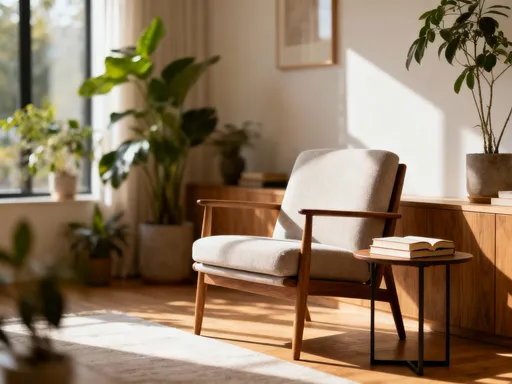
Start by assessing how you use each room. Is your living room cluttered with work materials, making it hard to relax? Is your dining table covered in mail and devices, turning meals into stressful multitasking sessions? Redesign these areas to reflect their intended purpose. Keep work-related items out of the bedroom to protect sleep quality. Create a reading nook with a comfortable chair, good lighting, and a small shelf of favorite books—and keep electronics out of reach. Even small changes, like using a tablecloth on the dining table or adding a plant to your workspace, can strengthen the psychological signal of that zone.
Consistency is key. When you repeatedly engage in certain behaviors in designated spaces, your brain forms strong associations. Over time, sitting in your reading chair will naturally cue relaxation, just as sitting at your desk primes focus. This reduces the mental effort needed to shift gears between tasks. For women balancing family, work, and self-care, these environmental cues provide much-needed structure. They make it easier to set boundaries, honor personal time, and protect mental energy. A well-zoned home isn’t about perfection; it’s about intention. It’s a space that supports who you want to be, not just who you are when overwhelmed.
Your Environment, Your Peace
The journey to a calmer mind begins not with grand gestures, but with small, deliberate choices. Reducing clutter, adjusting lighting, introducing nature, shaping sound, using soothing scents, and defining functional zones—each of these changes contributes to a home that actively supports mental well-being. The cumulative effect is powerful: a living space that doesn’t drain you, but restores you. This isn’t about achieving Pinterest-worthy perfection. It’s about creating a real, livable environment where peace isn’t something you chase, but something you inhabit.
Improving your surroundings is not a luxury—it’s a foundational part of health. Just as nutrition and exercise sustain the body, a supportive environment sustains the mind. You don’t need to escape your daily life to find calm. You can build it, room by room, choice by choice. And in doing so, you send a quiet but powerful message to yourself: you are worth the effort. Your peace is not optional. It is essential. By shaping your space with care, you are not just organizing a home—you are nurturing a life of greater balance, clarity, and resilience.