What I Learned About Hair Care from Changing How I Eat
You are what you eat—especially when it comes to your hair. I used to struggle with dryness, breakage, and zero shine, no matter how many serums I tried. Then I shifted my focus from external products to internal habits. Turns out, real hair transformation starts in the kitchen. This is the story of how simple dietary changes gave me stronger, healthier hair—and how you can benefit too.
The Hair Dilemma Nobody Talks About
Countless women invest in high-end shampoos, conditioners, and deep treatments, only to see minimal improvement in their hair’s strength or appearance. Many assume that if their scalp is clean and their strands are moisturized, their hair should thrive. But what if the root of the problem isn’t on the surface at all? The truth is, external care can only go so far. When hair lacks essential nutrients from within, no amount of topical product can fully compensate. This hidden disconnect—between what we apply and what we consume—is the silent culprit behind persistent dryness, slow growth, and increased shedding.
For years, I believed that hair health was a matter of routine and product selection. I rotated oils, avoided heat styling, and even changed my pillowcase to silk. Yet my hair remained brittle, prone to snapping, and lacked the luster I remembered from my younger years. It wasn’t until I consulted a dermatologist that I learned about the deep link between nutrition and hair integrity. She explained that hair is a reflection of internal well-being—specifically, the availability of key nutrients that support its growth cycle. Without adequate protein, iron, or essential fatty acids, hair follicles cannot function optimally, no matter how gentle your shampoo is.
This realization was a turning point. I began to see my hair not as a separate entity requiring isolated care, but as part of a larger biological system fueled by food. Research supports this: studies show that nutritional deficiencies are among the leading reversible causes of hair thinning and loss, especially in women. Common culprits include low iron stores, inadequate protein intake, and insufficient intake of vitamins like B12 and D. These deficiencies often go undetected because symptoms can be subtle—fatigue, brittle nails, or mood changes—while hair issues are among the first visible signs. Addressing them through diet offers a foundational solution, not just a temporary fix.
Why Your Plate Affects Your Hair
To understand how food shapes hair health, it helps to know what hair actually is. At its core, hair is made of keratin, a structural protein built from amino acids. This means every strand is literally constructed from the nutrients circulating in your body. When you consistently lack the building blocks—especially protein, vitamins, and minerals—your body prioritizes vital organs over hair growth. Hair becomes a lower priority, leading to slower growth, weaker strands, and increased shedding. In short, your hair reflects your nutritional status in real time.
Several nutrients play starring roles in this process. Biotin, also known as vitamin B7, is widely recognized for its role in maintaining strong hair and nails. While severe biotin deficiency is rare, suboptimal levels can still impact hair quality. More critical, however, is iron—especially for women of reproductive age. Iron helps red blood cells carry oxygen to hair follicles, fueling their metabolic activity. Low iron, even without full-blown anemia, has been linked to telogen effluvium, a condition where hair prematurely enters the resting phase and sheds in larger amounts.
Vitamin D is another key player. Research indicates that many women with hair thinning have lower than normal vitamin D levels. While sunlight is a primary source, diet can help maintain adequate stores. Fatty fish, fortified dairy, and mushrooms exposed to UV light are natural dietary sources. Zinc, meanwhile, supports the oil glands around hair follicles and helps regulate the immune response in the scalp. Too little zinc can lead to dryness and dandruff, while too much can be harmful—so balance is essential. These nutrients don’t work in isolation; they function as part of a complex network that supports hair at every stage of its life cycle.
Healthy fats, particularly omega-3 fatty acids, are also crucial. Found in fatty fish, flaxseeds, and walnuts, they nourish the scalp, reduce inflammation, and improve hair elasticity. Without them, hair can become dry, fragile, and prone to breakage. The takeaway is clear: hair health is not a cosmetic concern—it’s a biological one. What you eat directly influences the strength, texture, and growth rate of your hair. Treating it as such shifts the focus from temporary fixes to long-term nourishment.
The Top Dietary Gaps That Harm Hair
Modern eating patterns often fall short when it comes to supporting hair health. Many women, especially those managing busy households or irregular schedules, rely on convenience foods that are low in essential nutrients. Processed meals, sugary snacks, and refined carbohydrates dominate the diet, while whole foods like lean proteins, leafy greens, and healthy fats take a back seat. This imbalance creates nutritional gaps that quietly undermine hair quality over time. Recognizing these common shortfalls is the first step toward making meaningful changes.
One of the most significant gaps is insufficient protein intake. Because hair is primarily protein, a diet low in high-quality sources—such as eggs, poultry, legumes, and dairy—can lead to weaker strands and slower growth. Some women reduce animal proteins for ethical or health reasons but fail to replace them with adequate plant-based alternatives. While plant proteins can be effective, they often lack one or more essential amino acids unless properly combined—such as beans with rice or lentils with whole grains. Without this balance, the body may not have all the tools it needs to rebuild keratin efficiently.
Another major issue is the overconsumption of refined sugars and processed carbohydrates. These foods cause rapid spikes in blood sugar, triggering inflammation and insulin surges that can disrupt hormone balance. Over time, this metabolic stress may contribute to hair thinning, particularly in women predisposed to hormonal sensitivity. Additionally, high sugar intake can deplete the body’s stores of certain B vitamins, which are vital for energy production and cell turnover—including in hair follicles.
Diets low in colorful fruits and vegetables are also problematic. These foods provide antioxidants like vitamin C and beta-carotene, which protect hair from oxidative stress and support collagen production. Without them, hair may lose its natural resilience and shine. Similarly, replacing healthy fats with processed vegetable oils—high in omega-6 fatty acids but low in omega-3s—can create an inflammatory environment that negatively affects the scalp. These dietary patterns don’t cause immediate damage, but their cumulative effect becomes visible in the mirror: dullness, thinning, and increased shedding. The good news is that these gaps can be addressed with mindful, realistic changes.
Food Combos That Work: Pairing for Maximum Benefit
Optimizing hair health isn’t just about adding superfoods—it’s about combining them in ways that enhance nutrient absorption. The body doesn’t process nutrients in isolation; certain vitamins and minerals work better together. Understanding these synergies allows you to make small, strategic changes that yield noticeable results over time. For example, pairing vitamin C-rich foods with plant-based iron sources can nearly double iron absorption—a crucial advantage for women at risk of deficiency.
Consider a simple lunch of spinach salad with lentils and sliced bell peppers. Spinach and lentils are both rich in non-heme iron, the form found in plant foods, which the body absorbs less efficiently than iron from meat. But bell peppers are high in vitamin C, which converts iron into a more absorbable form. Adding a squeeze of lemon juice or a handful of strawberries boosts this effect even further. This kind of pairing turns an ordinary meal into a powerful tool for supporting hair growth. Similarly, combining tomatoes with a drizzle of olive oil enhances the uptake of lycopene, an antioxidant that protects hair follicles from damage.
Fat-soluble vitamins—A, D, E, and K—also require dietary fat for optimal absorption. Vitamin A, found in sweet potatoes and carrots, supports sebum production, which naturally conditions the scalp. But without fat, the body struggles to use it effectively. A snack of carrot sticks with hummus or roasted sweet potatoes with a touch of coconut oil ensures better utilization. The same principle applies to vitamin E, an antioxidant in nuts and seeds that protects hair from environmental stress. Pairing almonds with a piece of fruit doesn’t just balance blood sugar—it also ensures that vitamin E is properly absorbed and put to work.
Another powerful combo involves calcium and vitamin D. While dairy is a common source of both, fortified plant milks with added vitamin D and a side of chia seeds can offer a dairy-free alternative. This pairing supports not only bone health but also the hair growth cycle, as vitamin D receptors are present in hair follicles. Even protein pairing matters: combining grains with legumes, such as brown rice and black beans, creates a complete amino acid profile that supports keratin synthesis. These combinations don’t require gourmet skills—just a little awareness of how food works together.
My Daily Eat-for-Hair Routine (And How It Changed Things)
After learning about the connection between food and hair, I decided to redesign my daily meals with intention. I didn’t adopt a strict diet or eliminate entire food groups—instead, I focused on consistency, balance, and enjoyment. My goal was sustainability, not perfection. Over time, these small, repeatable choices led to visible improvements: less shedding, stronger strands, and a noticeable increase in shine. Here’s what a typical day looks like for me now.
Breakfast starts with a smoothie made from unsweetened almond milk, a handful of spinach, half a banana, a tablespoon of chia seeds, and a scoop of plant-based protein powder. This combination delivers iron, omega-3s, protein, and fiber—all in a quick, family-friendly meal. On busy mornings, I’ll opt for Greek yogurt with mixed berries and a sprinkle of flaxseeds, which provides probiotics, antioxidants, and healthy fats. Both options keep me full and support hair nourishment from the first meal of the day.
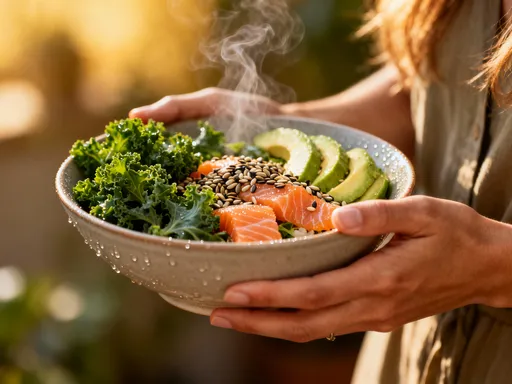
Lunch is usually a large bowl of roasted vegetables—such as broccoli, sweet potatoes, and bell peppers—tossed with quinoa or lentils and a drizzle of olive oil. I add a squeeze of lemon for flavor and to boost iron absorption. Sometimes I include canned salmon or sardines for an extra dose of omega-3s and vitamin D. This meal is satisfying, colorful, and packed with hair-supportive nutrients. I’ve found that preparing extra portions the night before makes it easy to eat well even on hectic days.
Dinner varies, but it always includes a source of lean protein—chicken, tofu, or beans—paired with dark leafy greens and a complex carbohydrate like brown rice or squash. I season with herbs and spices, including turmeric, which has anti-inflammatory properties. A side of avocado or a handful of walnuts adds healthy fats. Snacks are simple: an apple with almond butter, a hard-boiled egg, or a small handful of mixed nuts. These choices keep my energy stable and provide steady nutrient delivery throughout the day.
Within two months, I noticed less hair in my brush and shower drain. By the third month, my strands felt thicker and more resilient. I didn’t chase dramatic results—I simply gave my body the tools it needed, consistently. This routine isn’t rigid; it’s flexible enough to accommodate life’s unpredictability. The key is not perfection, but progress. Eating for hair health has become a natural part of my self-care, not a burden.
Beyond Diet: Lifestyle Factors That Amplify Results
Nutrition is the foundation, but it doesn’t work in a vacuum. Other lifestyle habits play a supporting role in how effectively your body uses the nutrients you consume. Sleep, stress management, hydration, and hair care practices all influence the outcome. When aligned, they create a holistic environment where hair can thrive. Ignoring these factors can limit the benefits of even the most balanced diet.
Sleep is one of the most underrated elements of hair health. During deep sleep, the body repairs tissues, balances hormones, and regenerates cells—including those in hair follicles. Chronic sleep deprivation can disrupt the hair growth cycle, pushing more strands into the shedding phase. Aim for 7 to 8 hours of quality rest each night. Establishing a calming bedtime routine, limiting screen time, and maintaining a consistent schedule can improve sleep quality over time.
Stress is another major factor. Elevated cortisol levels—triggered by chronic stress—can interfere with nutrient absorption and increase inflammation, both of which negatively affect hair. While eliminating stress isn’t possible, managing it through mindfulness, gentle movement like walking or yoga, or even daily journaling can make a difference. These practices don’t require hours; even 10 minutes a day can help regulate the body’s stress response.
Hydration is equally important. Water supports every bodily function, including circulation to the scalp and the delivery of nutrients to hair follicles. Dehydration can lead to dry, brittle strands and a flaky scalp. While individual needs vary, a general guideline is to drink enough water so that your urine is pale yellow. Herbal teas and water-rich foods like cucumbers and oranges also contribute to fluid intake.
Finally, how you treat your hair matters. Even with optimal nutrition, excessive heat styling, tight hairstyles, or harsh brushing can cause breakage. Use a wide-tooth comb on wet hair, limit heat tools, and choose gentle, sulfate-free products. These small adjustments protect the gains you’ve made through diet. Together, these lifestyle habits create a supportive ecosystem for healthy hair—reinforcing the work you do in the kitchen.
Realistic Expectations and When to Seek Help
One of the most important lessons I’ve learned is patience. Hair grows slowly—about half an inch per month—so changes take time. Visible improvements from dietary shifts typically appear after 2 to 3 months. During this period, it’s easy to feel discouraged, especially if you’re used to expecting quick fixes. But hair renewal is a gradual process. Celebrate small wins: less shedding, improved texture, or a shinier appearance. These are signs that your body is responding.
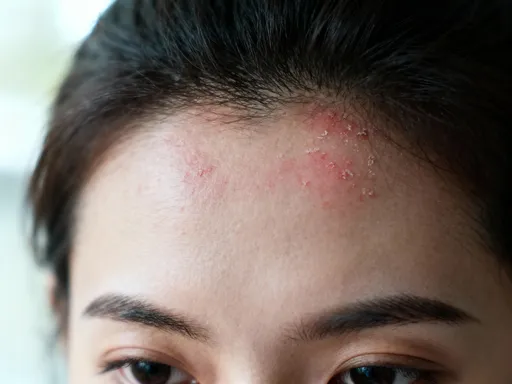
It’s also important to recognize that diet supports health but doesn’t replace medical care. While nutritional changes can resolve many cases of hair thinning, some conditions require professional evaluation. Sudden or patchy hair loss, scalp redness or pain, or changes accompanied by fatigue and weight fluctuations may indicate an underlying medical issue—such as thyroid dysfunction, autoimmune conditions, or hormonal imbalances. In these cases, consulting a healthcare provider is essential.
Blood tests can identify deficiencies in iron, vitamin D, or other key nutrients, allowing for targeted supplementation if needed. However, self-prescribing high-dose supplements without medical guidance can be risky. More is not always better—excess intake of certain nutrients, like selenium or vitamin A, can actually contribute to hair loss. The goal is balance, not overload. A registered dietitian or dermatologist can help create a personalized plan that addresses both diet and any medical concerns.
Ultimately, the journey to healthier hair is about consistency, not perfection. It’s about making sustainable choices that support your overall well-being, not chasing trends or extreme regimens. When you nourish your body with real, whole foods and support it with restful sleep and stress management, you create the conditions for vibrant hair to grow. And in doing so, you care for more than just your appearance—you invest in your long-term health.
Healthy hair isn’t about having the perfect shampoo—it’s about giving your body the raw materials it needs to build strong, vibrant strands from within. By rethinking your plate with smart, sustainable dietary combinations, you’re not just feeding your hair—you’re nourishing your overall well-being. The journey starts not in the bathroom, but in the kitchen.